Practical Steps for Organizing a Neighborhood Event
Organizing a neighborhood event can foster community spirit and connection, but it requires careful planning and execution. This guide outlines the practical steps needed to create a successful neighborhood gathering.
Understanding the Basics
Before diving into the specifics, it's essential to grasp the foundational elements of event planning. According to event management experts, successful events typically begin with a clear objective and understanding of the audience. Identifying the purpose of your gathering—whether it's to celebrate a holiday, promote local businesses, or simply bring neighbors together—can guide your planning process.
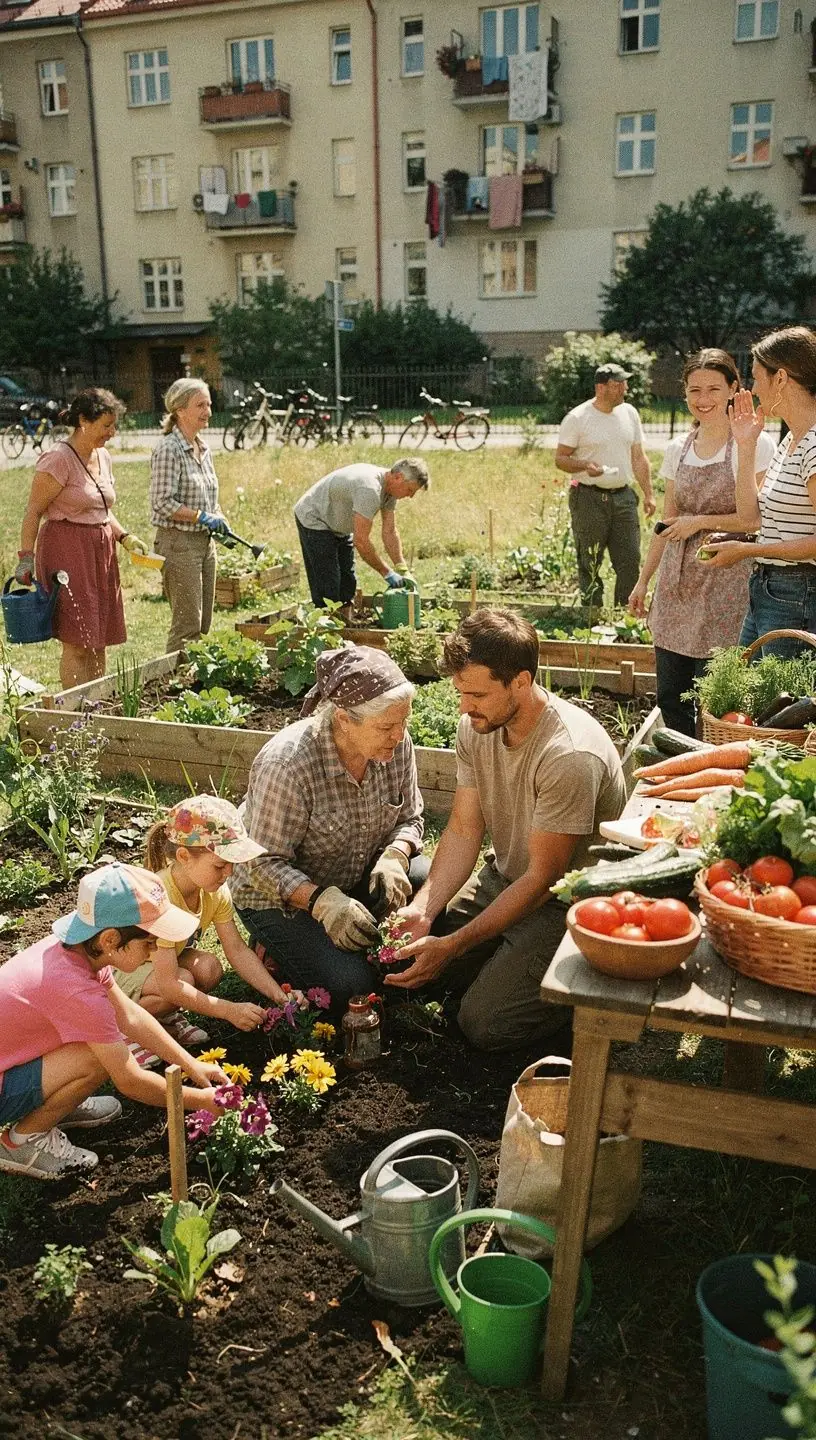
"A well-defined purpose can significantly enhance the engagement and enjoyment of your community event."
Step-by-Step Planning Process
The following steps provide a structured approach to organizing your event:
- Establish a Planning Committee: Gather a small group of enthusiastic volunteers to help oversee the planning process. This approach not only shares the workload but also brings diverse ideas to the table. Research indicates that collaborative efforts can improve event outcomes by fostering creativity and innovation.
- Set a Budget: Determine how much money is available for the event. Consider potential costs such as venue rental, catering, entertainment, and promotional materials. Many communities find that establishing a budget early on helps to avoid overspending and ensures funds are allocated effectively. Experts recommend keeping your budget flexible to accommodate unexpected expenses.
- Select a Date and Venue: Choose a date that works for your target audience, ideally avoiding conflicts with major holidays or local events. When selecting a venue, consider accessibility and available amenities. In most cases, utilizing a local park or community center can help reduce costs and bring people together in a familiar environment.
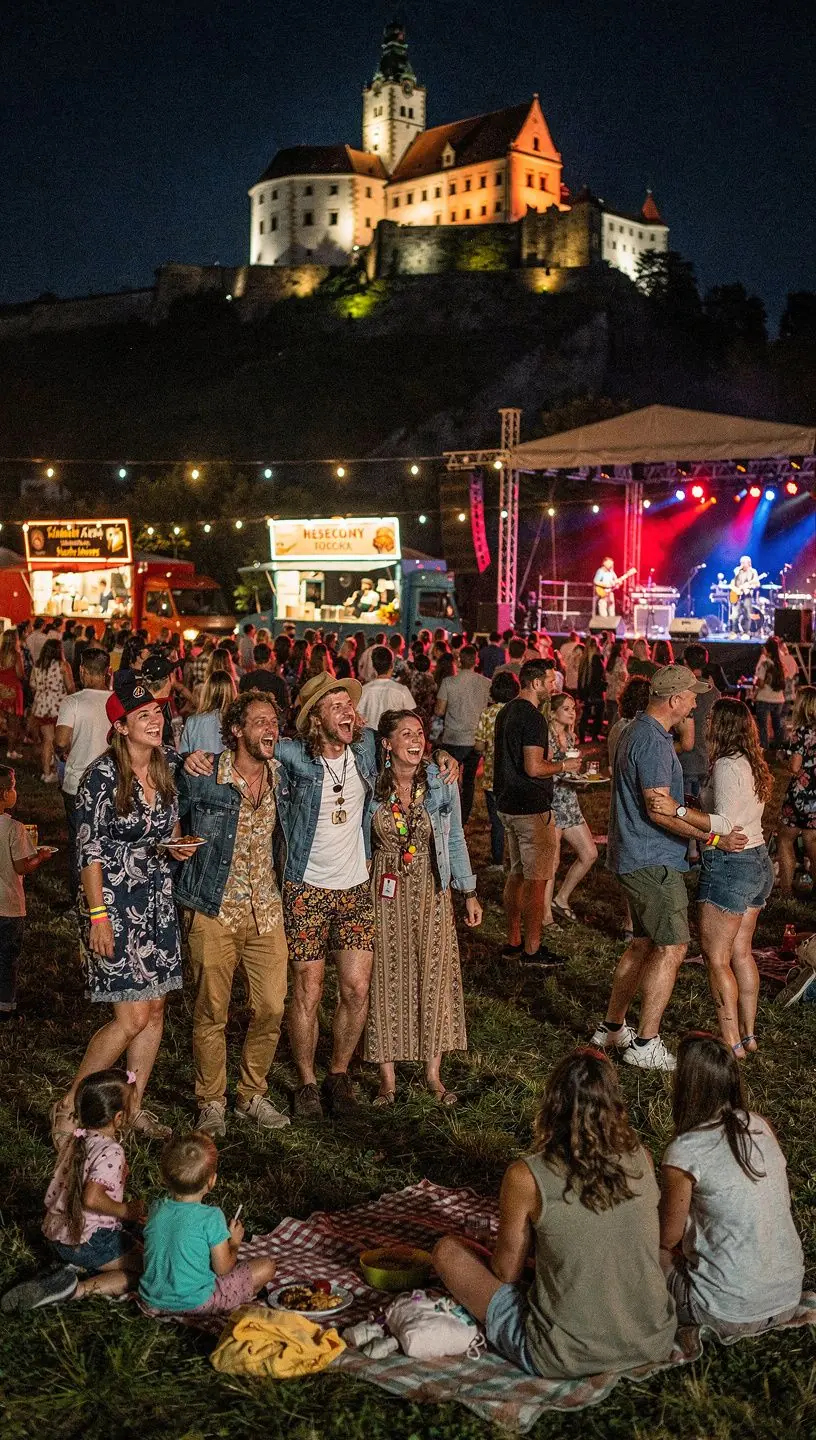
- Plan Activities and Entertainment: Engage the community by planning activities that appeal to a wide range of interests. Surveys or informal discussions with neighbors can provide insights into what types of entertainment or activities are most desired. Studies show that offering a mix of activities—such as games for children, food stalls, and live music—can enhance participation and enjoyment.
- Promote the Event: Use various channels to reach your audience. Social media, local newspapers, and community boards are effective for sharing event details. Research suggests that clear and consistent communication can significantly boost attendance and community engagement.
- Gather Feedback: After the event, solicit feedback from attendees to understand what worked well and what could be improved. This step not only helps you learn for future events but also shows participants that their opinions are valued.
Acknowledge Limitations
Organizing a neighborhood event can typically take 2-4 weeks of planning, depending on the complexity and size. It's important to acknowledge that not all events will meet every expectation, and some elements may not work as planned. Flexibility and adaptability are key to overcoming challenges that may arise during the planning process.
Conclusion
In conclusion, organizing a successful neighborhood event involves thoughtful planning and active community engagement. By following a structured approach and being open to feedback, you can create a gathering that not only entertains but also strengthens community ties. Remember, the goal is to foster connections and create lasting memories—each step you take is a step towards building a more vibrant community.