How Local Cuisine Influences Community Events
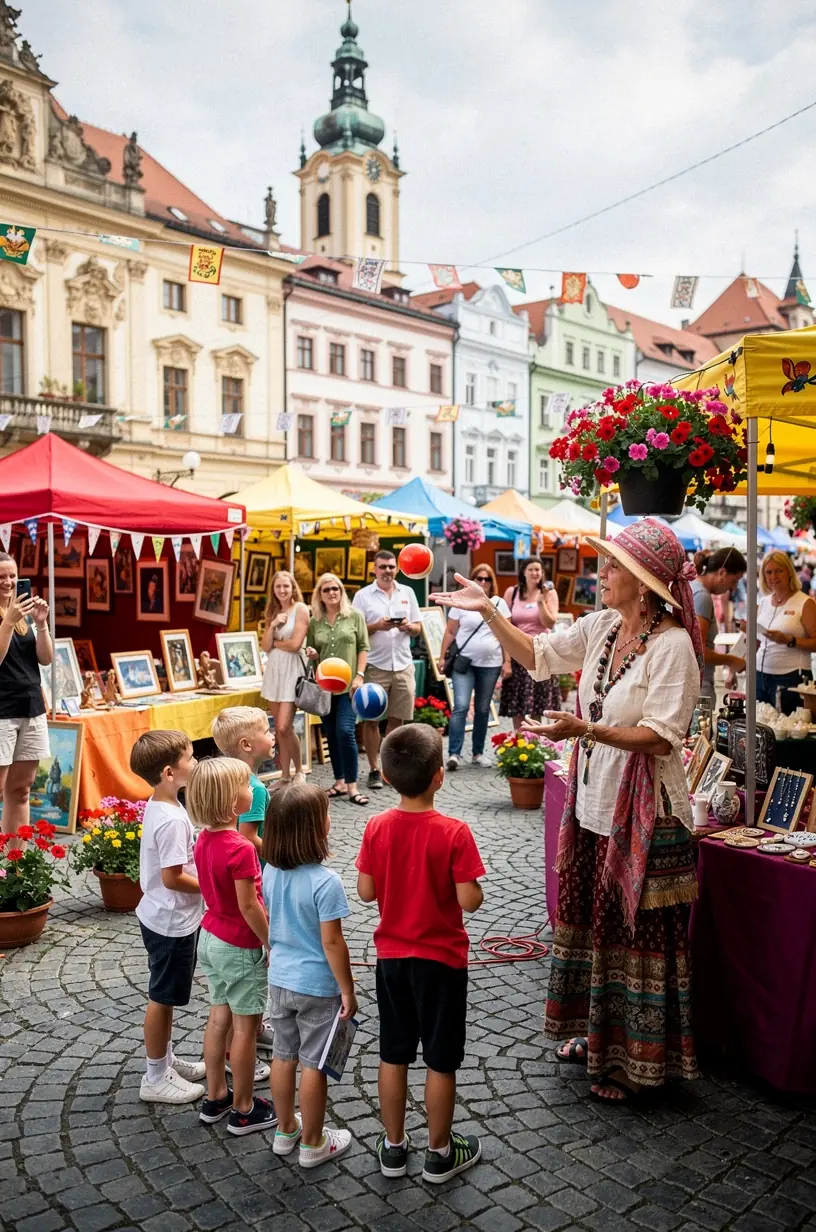
Local cuisine plays a pivotal role in shaping community events, from festivals to hobby clubs. Understanding this connection can enhance participation and foster a stronger community spirit. This article explores the various ways in which regional foods influence local events in the Czech Republic.
The Cultural Significance of Local Cuisine
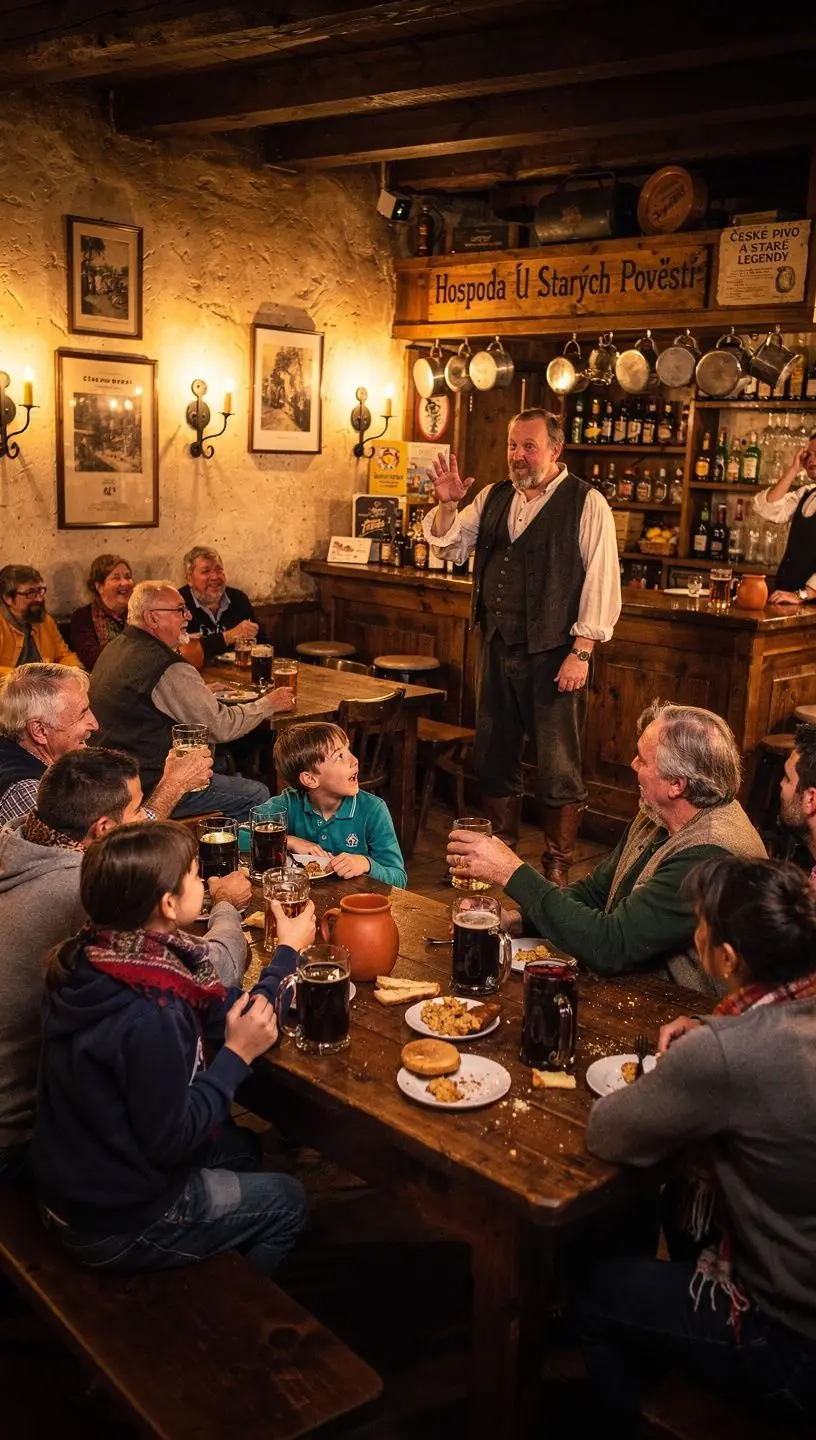
Food is not only sustenance but a centerpiece of cultural identity. In the Czech Republic, traditional dishes like svíčková and knedlíky are often featured in community gatherings, which helps to preserve local heritage. Research indicates that communities with a strong culinary focus tend to have higher participation in local events, as food serves as a unifying element.

"Food brings people together—it's a universal language that transcends barriers." - Culinary Expert
How Local Cuisine Shapes Event Planning
When organizing community events, incorporating local cuisine can enhance the experience. Here are some ways it influences event planning:
- Menu Selection: Planners often choose dishes that reflect local traditions and seasonal ingredients, which can attract attendees who are keen on authentic experiences.
- Vendor Collaboration: Local caterers and food artisans are typically engaged, creating economic opportunities and fostering community relationships.
- Thematic Consistency: Events can be themed around specific cuisines, such as a regional wine and food festival, which not only highlights local flavors but also engages culinary enthusiasts.
Community Engagement Through Culinary Offerings
Studies show that culinary offerings can significantly increase community engagement. For instance, events featuring local food often encourage participation from diverse demographics, promoting inclusivity.
Best Practices for Incorporating Food Into Events
Incorporating local cuisine into community events requires careful planning. Here are some effective strategies:
- Engage Local Chefs: Collaborating with local chefs can provide authenticity and elevate the quality of the food offerings.
- Promote Educational Experiences: Workshops on traditional cooking methods can attract those interested in culinary skills, thus broadening the event's appeal.
- Monitor Dietary Preferences: Offering a variety of options that cater to different dietary needs (e.g., vegetarian, gluten-free) can enhance attendance.
Challenges and Considerations
While integrating local cuisine into events can be beneficial, it is essential to acknowledge potential challenges. Organizers should consider:
- Logistical Constraints: Sourcing local ingredients can sometimes be challenging, depending on seasonal availability.
- Budget Limitations: Higher costs associated with local and fresh ingredients might affect overall event budgets.
- Time Commitment: Event planning that includes culinary aspects typically requires more time for coordination and execution.
Conclusion
Local cuisine significantly influences community events, serving as a bridge that connects individuals and fosters shared experiences. By understanding the importance of food in cultural contexts and event planning, organizers can create more meaningful and engaging community activities. While challenges exist, the benefits of incorporating local cuisine often outweigh the drawbacks, resulting in enriched community ties and greater participation.