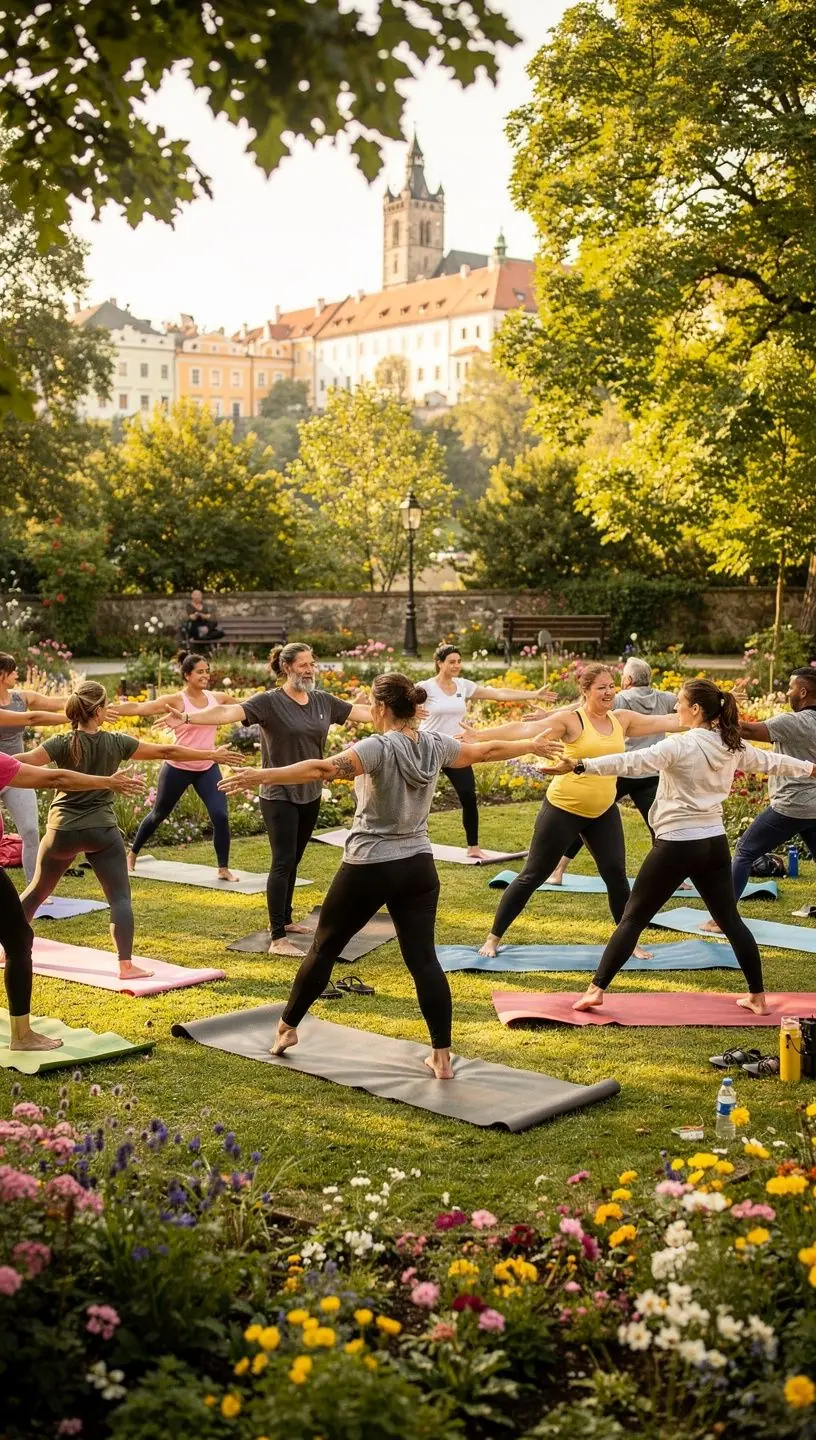
Understanding Community Engagement in Events
Community engagement plays a vital role in the success of local events and activities. In this article, we will explore how effective community engagement can enhance participation, build relationships, and ultimately create memorable experiences for all involved.
Understanding the Basics
Community engagement refers to the process of involving individuals in the decision-making and implementation of local events and initiatives. According to studies conducted by community development experts, engaging residents in planning activities typically leads to a higher level of participation and satisfaction.

"Engagement is not just about inviting people to events; it's about fostering a sense of belonging and ownership in the community." - Community Development Expert
Why Community Engagement Matters
Involving community members in the planning stages of an event can have several advantages:
- Increased Participation: Research indicates that when community members feel a sense of ownership, they are more likely to attend and actively participate in events.
- Building Relationships: Engaging with local residents helps to create connections and networks, fostering a supportive environment for future initiatives.
- Diverse Perspectives: Involving various stakeholders ensures that diverse viewpoints are represented, which can lead to more inclusive and successful events.
Practical Application of Community Engagement
Here are some effective strategies to enhance community engagement in your events:
- Conduct Surveys: Gathering feedback through surveys or questionnaires can inform event organizers about community interests and preferences. This typically requires a commitment of a few weeks to analyze responses and adapt plans accordingly.
- Host Planning Meetings: Organizing open meetings or workshops allows community members to contribute ideas and collaborate on event planning. This approach is often more effective when held in accessible locations and at convenient times.
- Utilize Online Platforms: Engaging with the community online through social media or dedicated platforms can reach a wider audience and foster ongoing discussions. Many users report feeling more comfortable sharing their thoughts in these settings.
Challenges and Limitations
While community engagement can significantly enhance event success, it is important to acknowledge potential challenges:
- Time Commitment: Effective engagement often requires significant time, typically taking several weeks or even months to plan and execute.
- Resource Allocation: Organizers must dedicate resources to engage with the community, which can strain budgets and personnel.
- Managing Expectations: Not all feedback can be incorporated, and organizers must balance community desires with logistical constraints and feasibility.
Conclusion
Incorporating community engagement into event planning can lead to improved participation and a stronger sense of community. While it requires effort and resources, the benefits often outweigh the challenges. By understanding and applying effective engagement strategies, event organizers can create meaningful experiences that resonate with local residents.