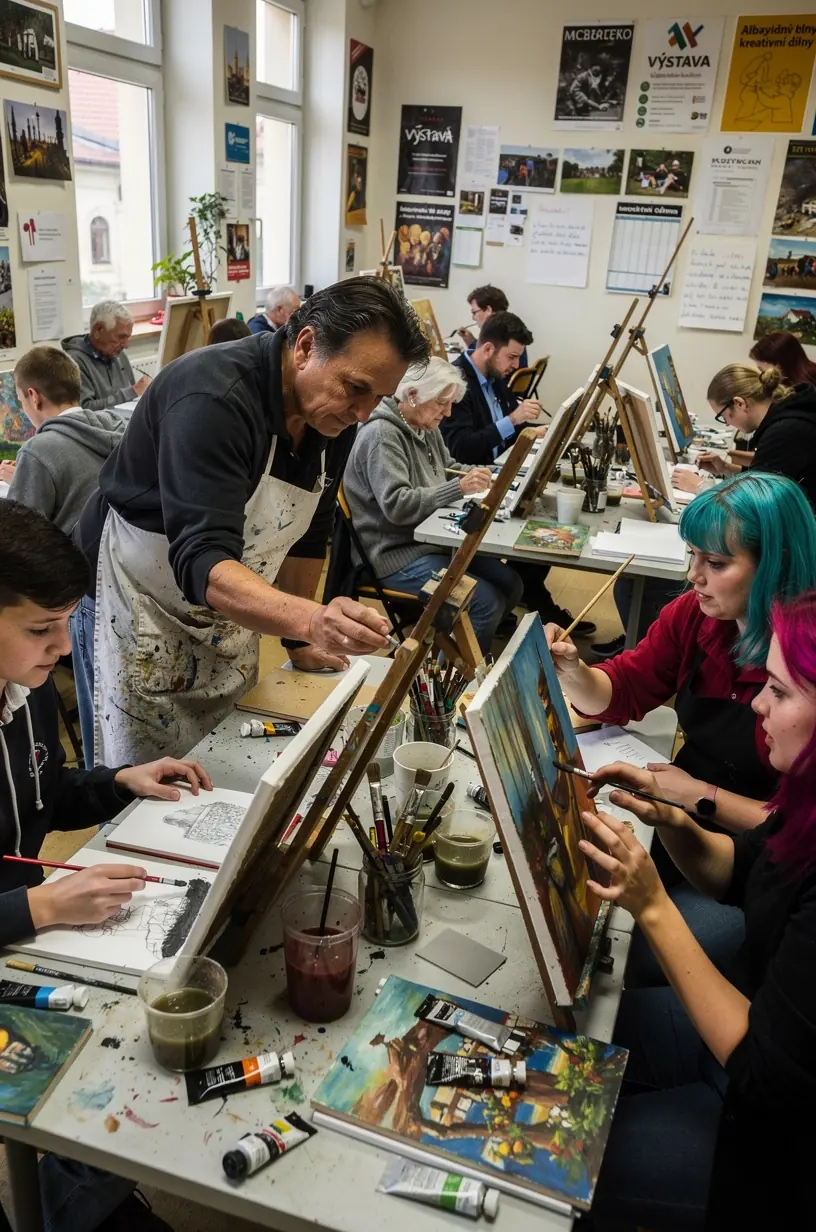
How to Create a Balanced Hobby Schedule
In today's fast-paced world, finding time for hobbies can be challenging. This article provides practical insights on how to create a balanced hobby schedule that fits your lifestyle, promoting both productivity and relaxation.
Understanding the Importance of Hobbies
Hobbies are crucial for maintaining a healthy work-life balance. According to research, engaging in leisure activities can significantly reduce stress and contribute to overall well-being. Studies show that individuals who dedicate time to hobbies often report higher levels of happiness and satisfaction.
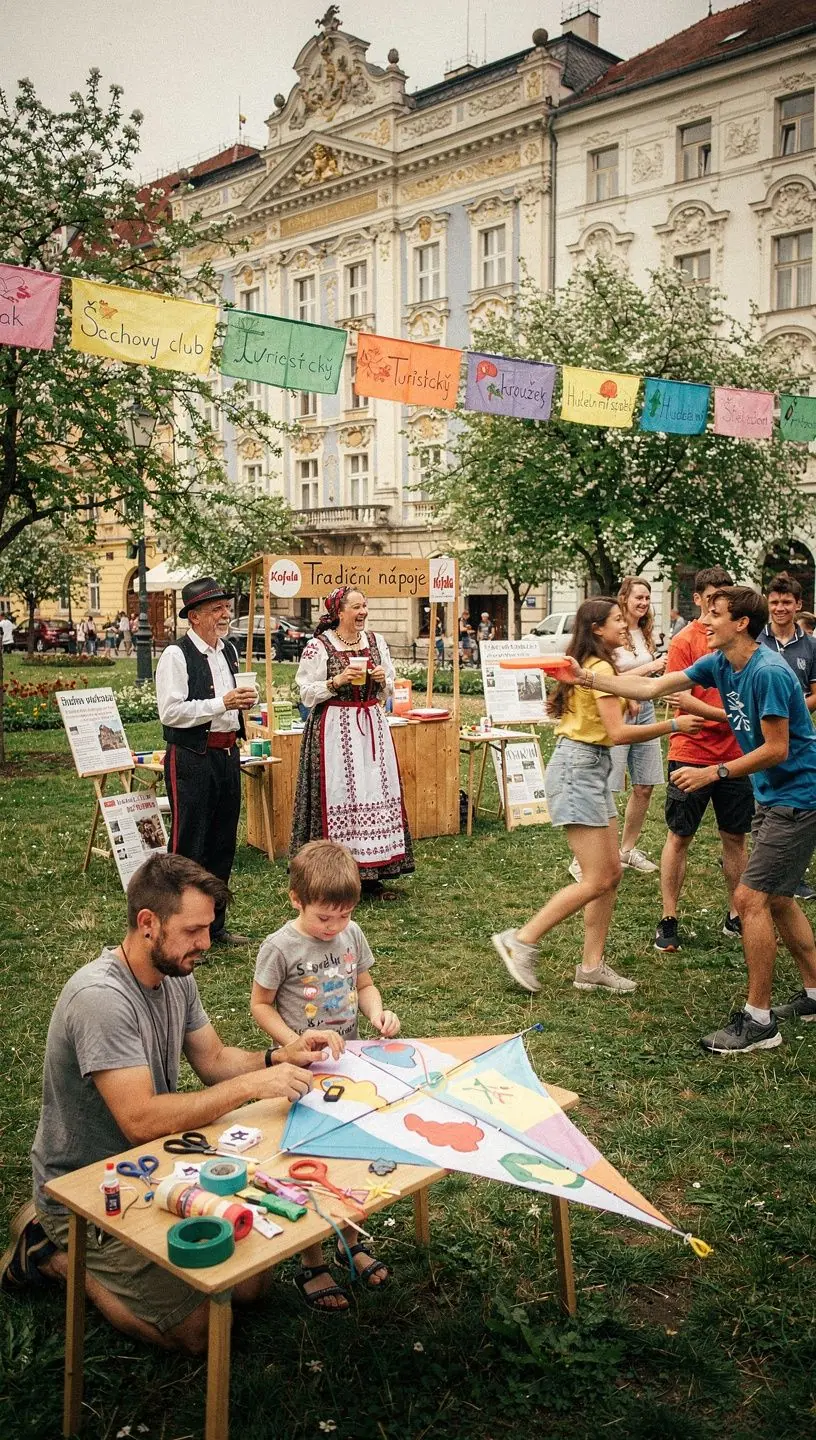
"Many users find that having a structured hobby schedule enhances their productivity and mental clarity."
Steps to Create Your Balanced Hobby Schedule
Creating a balanced hobby schedule involves several key steps:
- Assess Your Current Commitments: Take a close look at your existing responsibilities. According to experts, understanding how much free time you have is essential for effective planning.
- Identify Your Interests: Reflect on activities you are passionate about or want to explore. This can include sports, arts, or even volunteering. The principle behind this is that pursuing enjoyable activities can enhance motivation.
- Set Realistic Goals: Establish what you want to achieve with your hobbies. Research indicates that setting specific, measurable goals can lead to better commitment and progress over time.
- Allocate Time Wisely: Plan your week by assigning specific days and times for each hobby. Many users recommend dedicating at least a couple of hours each week to ensure consistency.
- Be Flexible: Life can be unpredictable. It is important to remain adaptable with your schedule, as rigid plans can lead to frustration. Experts suggest that flexibility often results in a more sustainable approach to hobbies.
Incorporating Social Activities
Consider joining hobby clubs or attending local events related to your interests. According to industry experts, participation in social activities not only enriches your experience but also helps build a sense of community. This can enhance your overall enjoyment and commitment to your hobbies.
Acknowledge Limitations and Realistic Expectations
While pursuing hobbies can be rewarding, it typically requires dedication and time management skills. A balanced schedule should account for the time needed to learn new skills or engage in activities fully. In most cases, developing proficiency in a new hobby may take several weeks or even months of consistent practice.
Conclusion
Creating a balanced hobby schedule is a rewarding endeavor that can lead to improved mental well-being and personal growth. By understanding your commitments, interests, and the importance of flexibility, you can develop a schedule that enhances your lifestyle. Remember, the goal is to find joy in your hobbies while maintaining a healthy balance in your life.
Learn More